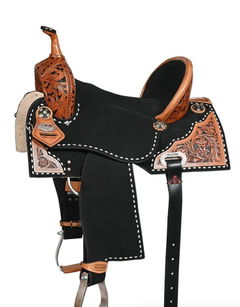
Western Bareback Pads
1 productsWestern bareback pads built for trail and pleasure riding — combining a structured molded seat with padded support so you and your horse stay comfortable without a traditional saddle.

Western Bareback Pads Buyer’s Guide
Western Bareback Pads for Trail Riding, Pleasure Riding, and Treeless Comfort
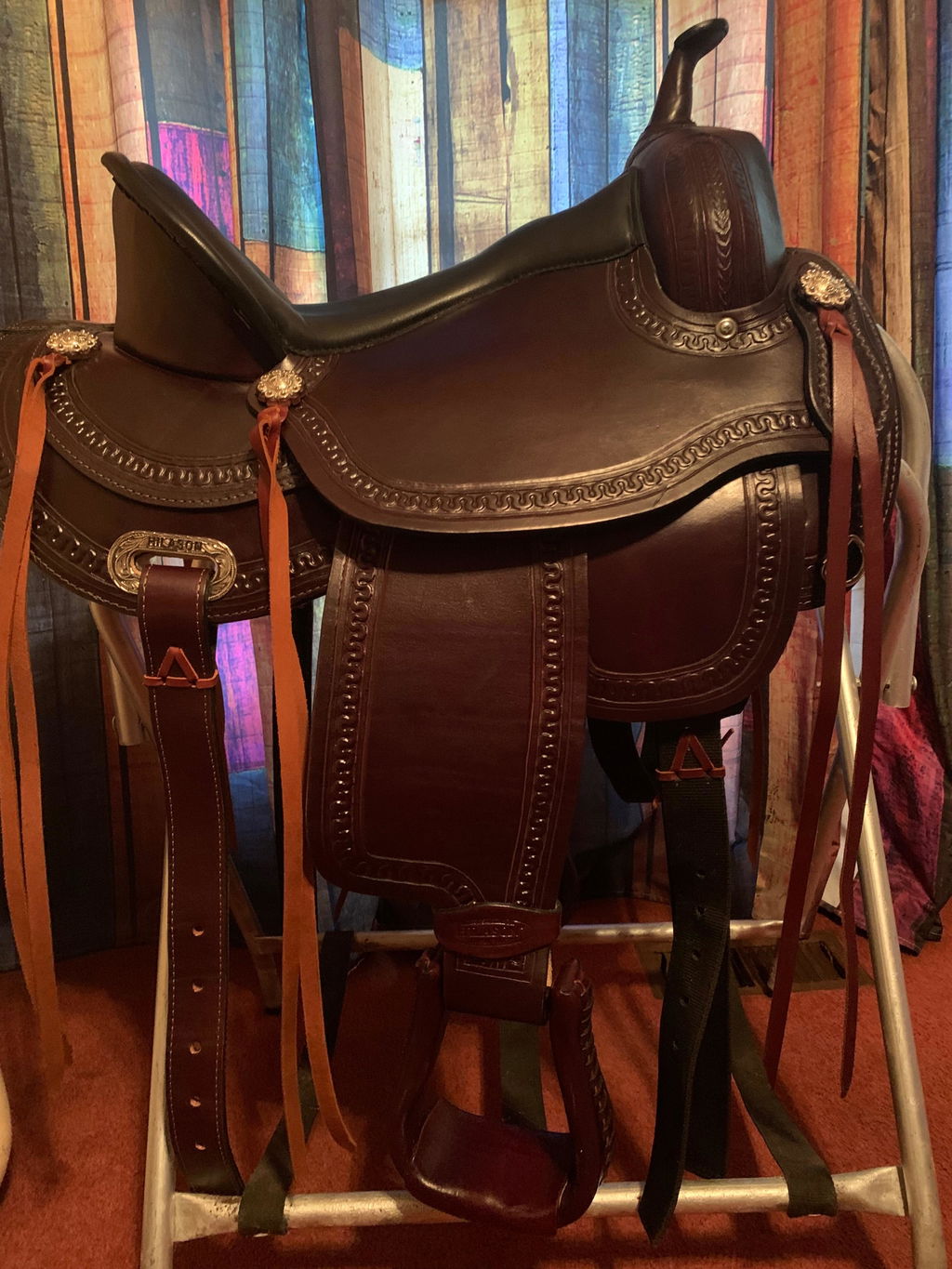
- Structured Molded Seat: A shaped cantle and pommel give you rider position support you simply don't get from a flat pad — ideal for longer pleasure and trail sessions.
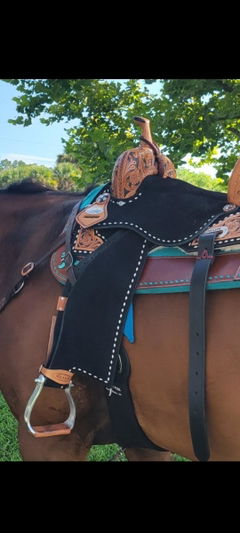
- Stirrup-Ready Design: Integrated stirrup bars and nylon fender straps let you ride with stirrups bareback-style — more security than a standard pad, less bulk than a full saddle.
- Textured Mesh Panels: Mesh-covered seat panels promote airflow and grip, reducing slippage during trail movement without trapping heat against your horse's back.
- Lightweight Treeless Construction: No rigid tree means the pad conforms to your horse's back shape naturally, distributing rider weight across a wider contact surface.
- Handmade One at a Time: Each Hilason bareback pad is individually crafted, allowing for consistent build quality and attention to detail at every stage.
- Multiple Color Options: Available in Black, Dark Brown, Purple, and Turquoise for riders who want function and style.
How to Choose the Right Western Bareback Pad
Seat Structure and Support
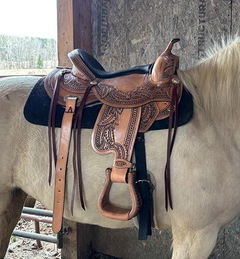
A bareback pad with a molded seat and defined cantle — like what you see in this Hilason design — is a significant step up from a flat foam pad. The shaped seat helps keep your hip position correct on the trail, reducing fatigue on longer rides. If you're riding purely for feel and short arena work, a flatter pad may suit; for trail and pleasure, go structured.
Stirrups vs. No Stirrups
Bareback pads with integrated stirrup bars — like this model — offer more security and balance for newer riders or those covering uneven terrain. Pure no-stirrup pads are better suited to experienced riders working on balance and feel. For trail riding, stirrup-equipped pads are the safer, more practical choice for most riders.
Fit Across Horse Breeds
Because these pads are treeless, they adapt to a wider variety of back shapes than a rigid-tree saddle would. They work well on horses with prominent withers, short backs, or irregular toplines where a standard saddle tree might not sit correctly. Check that the pad's contact area spans your horse's back evenly from wither to loin before securing the girth.
Common Mistakes When Buying a Bareback Pad
Many buyers choose a flat foam pad expecting saddle-like support — and find their position suffers on longer rides. Others overlook whether the pad includes stirrup hardware, only to realize they need it once on the trail. A third common issue: not verifying girth attachment points match their existing cinch hardware before ordering.
What Riders Notice When Switching to a Treeless Bareback Pad
Riders who move from a rigid western saddle to a treeless bareback pad often describe a more direct feel for their horse's movement — particularly at the walk and trot. The lack of a tree removes the pressure points that can occur with an ill-fitting saddle, and horses with shorter or wider backs frequently move more freely. That said, riders new to bareback-style riding should start with shorter sessions to develop the balance and core engagement the position naturally demands. The stirrup-equipped design on this Hilason pad makes that transition more manageable than going fully stirrup-free.
Western Bareback Pad Questions Answered
Explore more from Hilason: Treeless Saddles | Saddle Pads | All Western Saddles | Cinches & Girths