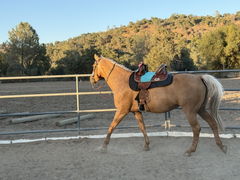
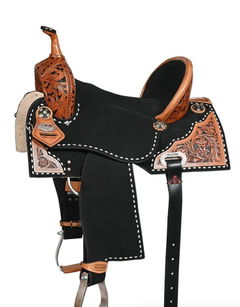
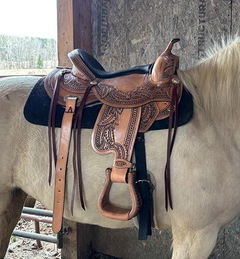
English Bareback Pads
13 productsEnglish bareback pads from Hilason give horse and rider a secure, cushioned connection — no saddle required for training, trail rides, or casual horsemanship sessions.


English Bareback Pads Buyer’s Guide
English Bareback Pads for Trail Riding, Horsemanship Training & Everyday Riding
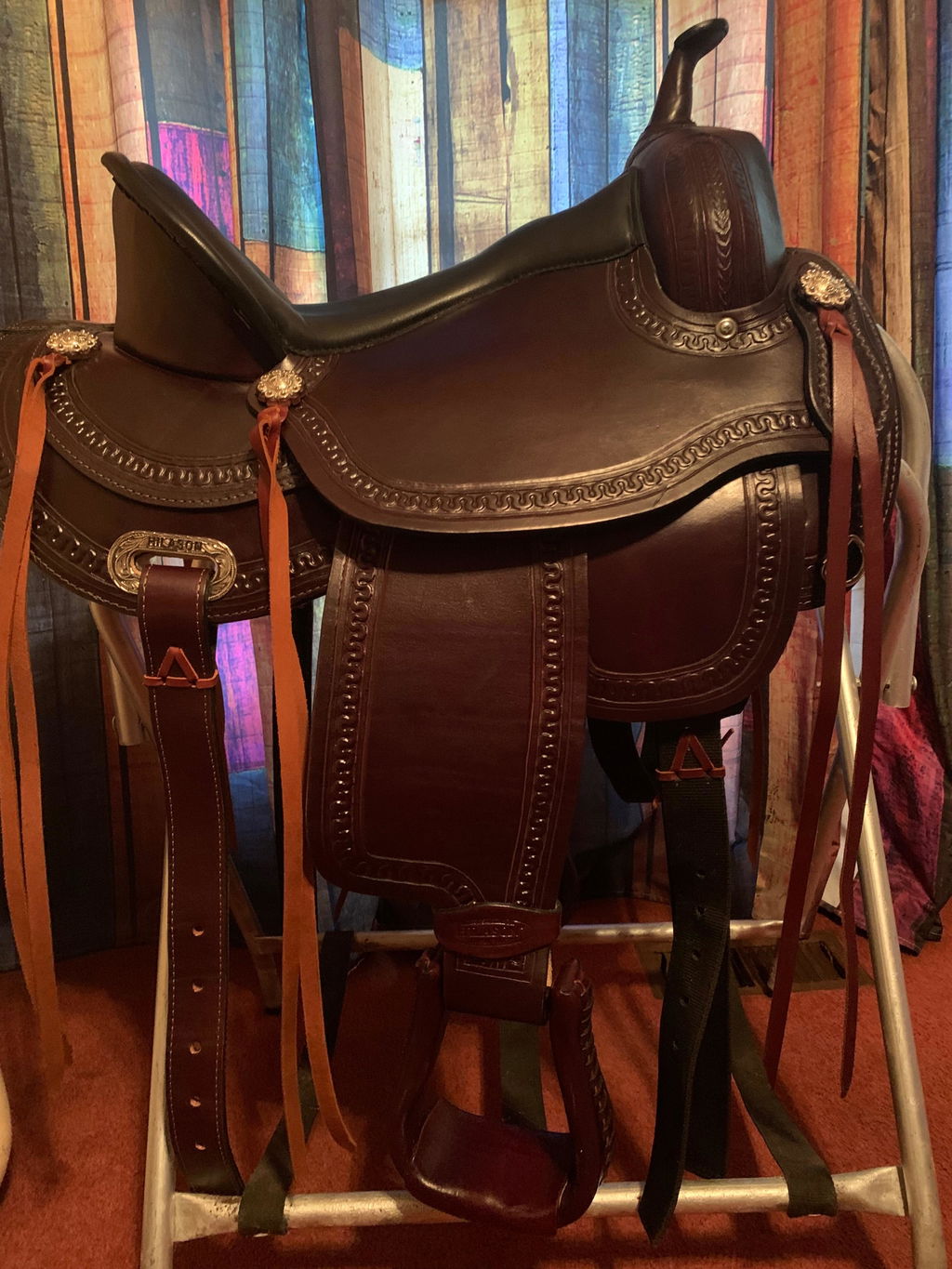
- Anti-Slip Base: Cellular rubber and soft PU foam underside grips the horse's back, reducing pad shift during movement on trail or in the arena.
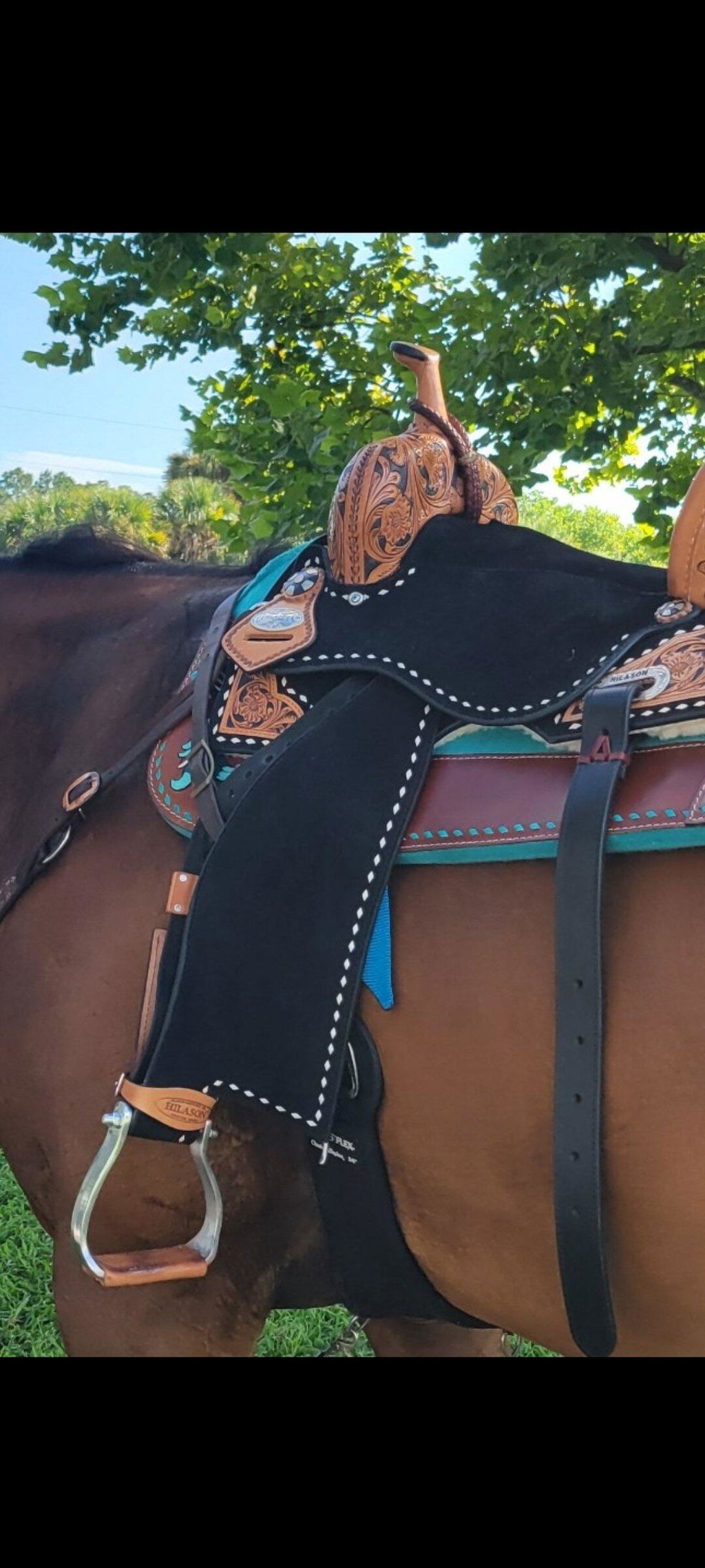
- Suede Leather Seat: Genuine suede leather riding surface improves rider grip and stability without the bulk of a traditional saddle.
- Microfibre & Foam Construction: High-density foam core with microfibre top layer cushions pressure points for both horse and rider across extended sessions.
- Treeless Design: No rigid tree means the pad conforms naturally to a wide range of horse back shapes — suitable for broad-backed and narrow-backed horses alike.
- Genuine Leather Straps & Hardware: Leather girth straps and adjustable rigging provide a secure, western-style cinching system in a lightweight English profile.
- Multiple Color Options: Available in black, brown, tan, purple, turquoise, pink, and more — suited to both functional barn use and show-ring presentation.
How to Choose the Right English Bareback Pad
Seat Surface Material
Suede leather seats offer the best grip for active riding — trail work, horsemanship exercises, or longer sessions where rider security matters. Microfibre seats are softer against the leg and suit lighter use such as short hacks or introducing young riders to bareback feel.
Base & Cushioning
Look for a cellular rubber or anti-slip base when riding on varied terrain — it prevents the pad from walking forward or sliding laterally. High-density foam cores distribute the rider's weight more evenly across the horse's back compared to thin felt-only pads.
Rigging & Girth Attachment
Some bareback pads in this collection include a breast collar and girth as a complete set — ideal for riders who want a ready-to-ride solution. Standalone pads suit riders who already own compatible girths. Check whether the pad uses English billets or western-style leather cinch straps before purchasing.
Common Mistakes When Buying a Bareback Pad
Choosing a pad without an anti-slip base is the most common error — pads without it shift during transitions and create pressure hot spots. Riders also underestimate foam thickness: a thin pad on a bony-withered horse offers minimal protection. Finally, overlooking girth compatibility (English billets vs. western cinch rings) results in incompatible rigging at the barn.
What to Expect Riding in a Bareback Pad vs. Riding Completely Bareback
Riders who make the switch from fully bareback often notice an immediate improvement in security through transitions — the suede or microfibre seat surface grips riding breeches and jeans in a way bare horse hair simply cannot. The foam layer also softens the percussive feel of trot work, making longer schooling sessions more comfortable for both horse and rider without the weight and restriction of a conventional saddle. Horsemanship trainers frequently use bareback pads as a teaching tool because they preserve the close, responsive feel of bareback riding while reducing the physical fatigue associated with extended contact on a horse's spine.
Suede Leather vs. Microfibre — Which Bareback Pad Seat Is Right for You?
Suede Leather Seat
Genuine suede leather provides a textured, grippy riding surface that actively holds the rider's leg in position. It is more durable under repeated use and holds up well to barn conditions and light moisture. Best for: trail riding, active horsemanship work, riders who prioritise security and longevity.
Microfibre Seat
Microfibre is softer against the inner leg and easier to wipe clean, making it a practical choice for casual sessions or introducing younger or beginner riders to bareback-style riding. It offers moderate grip but does not match the durability of leather over years of heavy use. Best for: light hacking, young riders, occasional use.
English Bareback Pad Questions Answered
Complete your bareback riding setup — explore our Cinches & Girths, Saddle Pads, Treeless Saddles, and Western Tack.