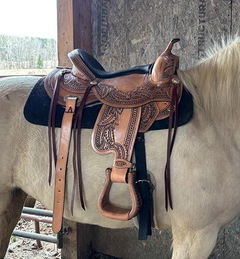
Bareback Pads
21 productsBareback pads built for close contact, genuine grip, and all-day comfort — available in western and English styles for trail riding, horsemanship, and everyday riding.


Bareback Pads Buyer’s Guide
Western & English Bareback Pads for Trail Riding, Horsemanship, and Pleasure Riding
- Anti-slip base: Cellular rubber and non-slip underlayers keep the pad secure across gaits without shifting on the horse's back.
- Genuine leather & suede seat surfaces: Full-grain suede leather top layers provide a tacky, secure seat that synthetic materials can't replicate over long rides.
- Baretek treeless construction: Several pads feature a Baretek treeless design — no rigid tree means maximum freedom of movement for the horse and closer leg contact for the rider.
- Integrated stirrups & girth options: Select models include attached stirrups, a matching girth, or a buddy child seat — ideal for young riders and beginners building confidence.
- Multiple colors & styles: Available in brown, black, tan, turquoise, purple, pink, and more — western and English silhouettes to match your riding style.
- High-performance at accessible pricing: Professionally crafted for durability without premium markup.
How to Choose the Right Bareback Pad
Riding Style & Discipline
Western-style bareback pads suit trail riding, pleasure riding, and horsemanship exercises where a western silhouette and deeper seat pocket feel natural. English-style bareback pads sit flatter with a closer-contact profile — preferred for flatwork, light jumping practice, or riders transitioning between disciplines.
Surface Material & Grip
Suede leather seats offer reliable grip and soften naturally with use. Microfibre and ultrasuede surfaces (like the Stacy Westfall Gel pad) provide a consistent, low-maintenance grip and a slightly softer feel underleg. If you ride in all weather or want easier cleaning, microfibre is a practical choice; suede leather is preferred for a traditional feel and long-term durability.
Stirrups, Girth & Accessories
Beginner riders and children benefit from pads that include integrated stirrups and a matching girth — these are sold as complete sets and remove the guesswork of compatibility. Experienced bareback riders often prefer a pad-only option for a cleaner, lighter ride with maximum horse contact.
Common Mistakes When Buying a Bareback Pad
Choosing a pad without an anti-slip base is the most common misstep — even suede seats won't prevent rotation if the base slides. Riders also frequently underestimate how much a quality girth affects pad stability; if buying a pad without an included girth, confirm compatibility before checkout. Finally, avoid selecting a western-profile pad when an English-contact ride is the goal — the seat depth and flap cut differ meaningfully.
What Riders Notice After Switching to a Bareback Pad
Riding bareback — even with a quality pad — dramatically heightens a rider's awareness of the horse's movement, balance shifts, and impulsion. Many horsemanship trainers use bareback pads specifically to build an independent seat, because you cannot rely on a saddle tree to mask imbalance. The suede and leather surfaces in this collection hold the rider in place without gripping so hard that natural leg movement is restricted. After even a few sessions, most riders report improved feel and a more relaxed hip and lower back. The treeless Baretek designs in particular let you feel the horse's back muscles engage — feedback that disappears the moment a rigid tree is placed between horse and rider.
Western Bareback Pad vs English Bareback Pad — Which Is Right for You?
Western Bareback Pad
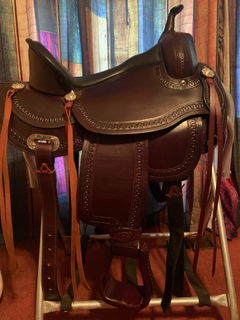
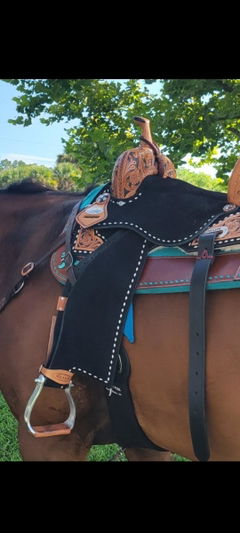
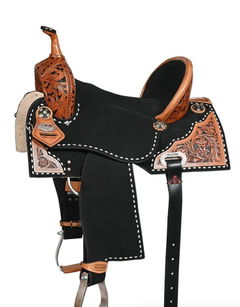
Western bareback pads are shaped with a deeper seat pocket and wider skirt profile, closely mimicking the feel of a western saddle while eliminating the tree. They pair naturally with western tack, western girths, and trail riding setups. Best for: pleasure trail riding, horsemanship training, western show warm-up, and young riders moving from a saddle toward bareback confidence.
English Bareback Pad
English bareback pads sit closer and flatter against the horse's back, with a trimmer outline and minimal skirt. The closer-contact profile makes them a natural fit for flatwork, arena exercises, and natural horsemanship disciplines. Best for: English-style riders, horsemanship clinics, light arena work, and any rider who prefers maximum leg-to-horse contact.
Bareback Pad Questions Answered
Explore related tack: Saddle Pads | Treeless Saddles | Cinches & Girths | Western Tack