Western Saddles on Sale
7 productsWestern saddles on sale — hand-tooled full grain harness leather, built one at a time for trail riding and ranch work at accessible pricing.


Western Saddles on Sale Buyer’s Guide
Hand-Tooled Western Saddles for Trail Riding, Ranch Work, and Wade & Roping — Now on Sale
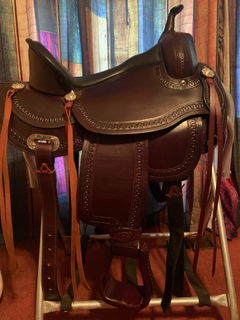
- Full Grain Harness Leather: Every saddle is built from top quality full grain harness leather — denser, more durable, and longer-lasting than split-grain alternatives.
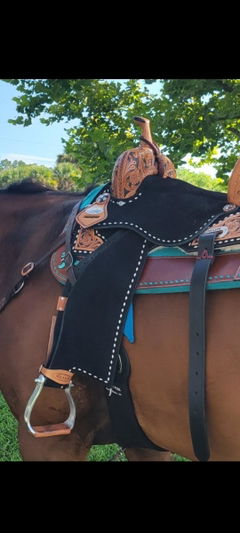
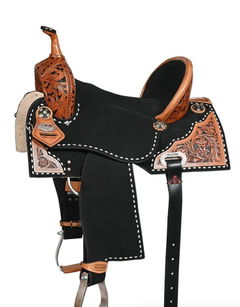
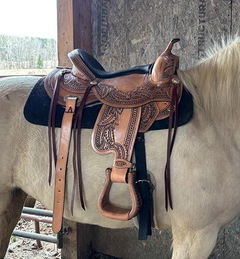
- Hand-Tooled One at a Time: Each Hilason saddle is handmade individually, with floral and geometric tooling visible across the skirts, fenders, and cantle — no two are identical.
- Silver Concho Hardware: Decorative silver conchos and engraved plates add show-quality appearance without the show-ring price tag.
- Wade & Roping Tree Construction: Traditional wade-style trees offer the deep seat and forward-sloping horn preferred by ranch riders, ropers, and trail enthusiasts.
- Trusted by 20,000+ Riders: Hilason is one of the fastest-growing western saddle brands in America — barn-approved and trusted by riders across 48 states.
How to Choose the Right Western Saddle on Sale
Saddle Type & Intended Use
The saddles in this sale collection are wade and roping-style trees — purpose-built for trail riding, ranch work, and general pleasure riding. The deep seat, sturdy horn, and forward balance point make them ideal for long days on the trail or working cattle. If your riding is primarily arena performance, browse the full western saddles collection for additional styles.
Fit & Seat Size
These saddles are available in 15-inch and 16-inch seat sizes. Seat size is measured from the back of the swell base to the front of the cantle. Most adult riders fall between 15 and 17 inches — measure your current saddle or sit in a borrowed one before ordering. A properly sized seat keeps your weight centered and reduces fatigue on longer rides.
Tree & Gullet Width
Tree width determines how the saddle distributes weight across your horse's back. Quarter horses and stock breeds typically fit a medium or full quarter horse bar tree. Measure your horse's withers or use a flexible curve gauge for accuracy. A saddle that bridges or pinches the withers causes discomfort and long-term back issues — never skip the fit check.
Common Mistakes When Buying a Sale Saddle
Two mistakes show up repeatedly: buying seat size based on pant size (they are not the same — saddle seat is measured differently) and skipping a saddle pad fitting after purchase. Always pair a new saddle with a correctly sized saddle pad to protect the horse's back and extend saddle life.
What Riders Notice After Switching to a Full Grain Harness Leather Saddle
Riders upgrading from entry-level or synthetic saddles consistently notice the difference in rigidity and weight transfer. Full grain harness leather holds its shape under daily use — the skirts do not flap or flex unpredictably on rough terrain, and the seat maintains its form over years rather than months. The break-in period is real: harness leather starts firm and softens with conditioning and use, ultimately conforming closer to your riding position than softer, cheaper hides. Trail riders especially report better hip stability on longer outings once the seat leather has relaxed.
Wade Saddle vs Roping Saddle — Which Style Fits Your Riding?
Wade Saddle
The wade tree features a slick fork (no swell), a forward-tilting seat, and a stout horn — originally designed for buckaroo and vaquero-style ranch work. The open fork gives a closer leg contact against the horse, making wades a favorite for trail riding, mountain terrain, and general ranch use. Best for: trail riders, ranch hands, and pleasure riders who want a traditional western feel.
Roping Saddle
Roping saddles are built around a reinforced, low-profile horn designed to take the shock of a dally — the horn wraps rope without breaking under load. The flat, secure seat keeps the rider planted during hard stops and turns. Best for: arena ropers, team ropers, ranch riders who also work cattle. Many ropers double as trail saddles when not in the arena. Browse the full wade & roping saddle collection for more options.