Choosing between a turnout sheet and a turnout blanket comes down to insulation — and getting it right keeps your horse dry, comfortable, and protected through every season.
Learn more about Turnout Sheet vs Turnout Blanket ›
Turnout Sheet vs Turnout Blanket: Understanding the Core Difference
Turnout Sheet: A lightweight, waterproof shell with no fill — built to shed rain and block wind without adding warmth.
Turnout Blanket: Carries insulating fill measured in grams (gsm), designed to hold in warmth when the mercury drops.
Built for Outdoor Life: Both feature tougher outer shells and secure hardware to withstand pasture life, rolling, and rough weather.
Freedom of Movement: Quality turnout gear includes shoulder gussets, secure chest and belly straps, and tail flaps to keep drafts out.
How to Choose the Right Turnout Gear
When to Reach for a Turnout Sheet
A turnout sheet is your go-to for mild but wet or windy days — early fall, spring, or those unpredictable weeks when temperatures stay comfortable but cold rain keeps blowing through. Because a sheet has no fill, it won't overheat a horse with a healthy coat. Its job is simple: keep your horse dry and cut the wind. Explore the full range of Horse Blankets, Turnout Sheets & Fly Sheets to find the right shell for your climate.
When a Turnout Blanket Makes Sense
When cold becomes the real threat, a blanket with insulating fill traps warmth close to the body while still shedding rain and snow. Fill weight is what matters most — lighter fills suit cool weather, heavier fills tackle hard winters. Consider weather patterns, your horse's coat, and living situation before buying. Browse Winter Horse Blankets & Turnout Blankets, and for durability guidance review our Denier Guide.
Turnout Gear — Questions Answered
What is the main difference between a turnout sheet and a turnout blanket?
Insulation. A turnout sheet is a lightweight, waterproof shell with no fill, built to shed rain and block wind. A turnout blanket carries insulating fill measured in grams to hold in warmth when temperatures drop.
When should I use a turnout sheet?
Reach for a sheet on mild but wet or windy days — early fall, spring, or unpredictable weeks. It keeps your horse dry and cuts the wind without adding unnecessary warmth to a horse that already has a healthy coat.
How do I know what fill weight my blanket needs?
Fill weight is measured in grams (gsm). Lighter fills suit cool weather, while heavier fills are built for hard winters with wind and snow. Match the weight to your climate and how much your horse feels the cold.
Does my horse's coat affect which one I choose?
Absolutely. A horse with a thick natural coat may need far less than a body-clipped show horse. Also consider weather patterns and whether your horse lives out full-time on pasture when deciding between a sheet and a blanket.
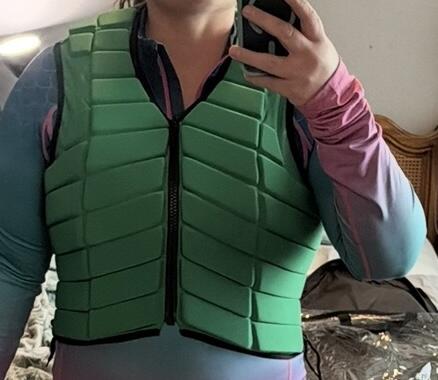
The vest is of very nice quality and the fit is great and true to the sizing measurements. The stock photos however do not accurately represent the color of this particular vest. It is very much a true kelly green, rather than the more teal color of the website photos.