Understand exactly what denier means and pick the right 600D, 1200D, or 1680D turnout blanket to protect your horse through every season.
Learn more about Denier Guide: 600D vs 1200D vs 1680D Turnout Blankets ›
What Denier Means for Turnout Blankets
Fiber thickness: Denier measures the thickness and density of the threads woven into a blanket's outer shell — higher numbers mean tougher fibers.
600D lightweight: A breathable, easy-to-handle shell for gentle horses and mild conditions, quick to dry and comfortable for calm turnout.
1200D all-rounder: The versatile balance most riders want — tough enough for normal pasture life and moderate roughhousing, yet still breathable.
1680D heavy-duty: Built from dense, heavy fibers designed to stand up to serious punishment from rough horses and harsh environments.
How to Choose the Right Turnout Blanket
Match the Shell to Your Horse
Choosing denier comes down to three practical questions: How rough is your horse? Where do they turn out? And what's the weather like? A calm, older horse turned out alone in a small paddock has vastly different needs than a young gelding who bites, bucks, and roughhouses with pasture mates. Browse our full range of Horse Blankets, Turnout Sheets & Fly Sheets to find the right weight for your situation.
Keep Denier and Warmth Separate
Denier only measures durability, not warmth. Warmth comes from the fill, measured in grams. Keep those two separate in your mind and you'll shop with confidence. For a temperature-based breakdown of fill weights, see the fill weight guide on our Winter Horse Blankets & Turnout Blankets collection.
Turnout Blanket Denier — Questions Answered
What does denier actually measure?
Denier measures the thickness and density of the fibers woven into a blanket's outer shell. The higher the number, the thicker and tougher those threads are, which translates directly into resistance against tearing, abrasion, and general wear.
Is a 600D blanket warm enough for winter?
Denier doesn't determine warmth — fill weight does. A 600D shell is lightweight and breathable for gentle horses and mild conditions, but it can still carry a heavy fill for winter. Match the fill in grams to your climate.
Which denier is best for most horses?
If we had to name one denier that covers the widest range of horses and situations, it's 1200D. This weight is tough enough to handle normal pasture life, moderate roughhousing, and unpredictable weather, yet still reasonably breathable and manageable.
When should I choose 1680D?
A 1680D shell is built from heavy, dense fibers designed to stand up to serious punishment. It's the right pick for rough horses that bite, buck, and roughhouse, or for turnout areas with brush, hardware, and other snag hazards.
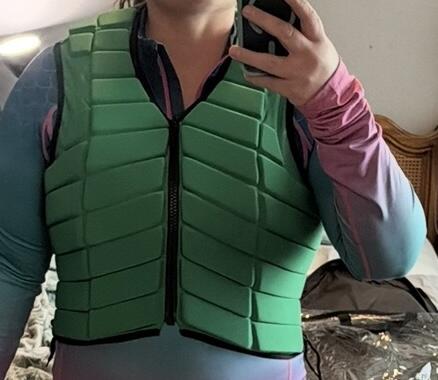
The vest is of very nice quality and the fit is great and true to the sizing measurements. The stock photos however do not accurately represent the color of this particular vest. It is very much a true kelly green, rather than the more teal color of the website photos.