Essential Barrel Racing Gear & Accessories for Every Rider
Beyond the Saddle: The Gear That Completes Your Barrel Racing Setup
A great barrel saddle is the foundation of your equipment, but it is not the whole picture. Barrel racing demands a system of gear that works together --- protective equipment that keeps you safe, tack that stabilizes the saddle and refines your communication, horse care products that keep your partner performing at its best, and tools that maintain everything in peak condition. Missing one piece of the system creates a weak link that can cost you time, money, or safety.
This guide walks through every category of barrel racing gear beyond the saddle itself, with practical recommendations drawn from Hilason's decades of experience outfitting western riders.
Protective Gear: The Non-Negotiable Foundation
Barrel racing is one of the fastest equestrian sports. Horses reach speeds of 30 miles per hour or more, and the forces involved in a fall are comparable to what motocross riders experience. Protective gear is not optional, and standards have evolved significantly over the past decade.
Riding Helmets
The image of a cowboy hat in the arena is iconic, but more barrel racers are switching to ASTM/SEI-certified riding helmets for competition and training. Modern equestrian helmets are lightweight, well-ventilated, and come in styles that look sharp in the arena. A helmet that meets ASTM F1163 standards has been tested for impact absorption, penetration resistance, and retention system strength. Replace your helmet after any impact --- even if it looks fine --- and at minimum every five years, as the materials degrade over time regardless of use.
Safety Vests
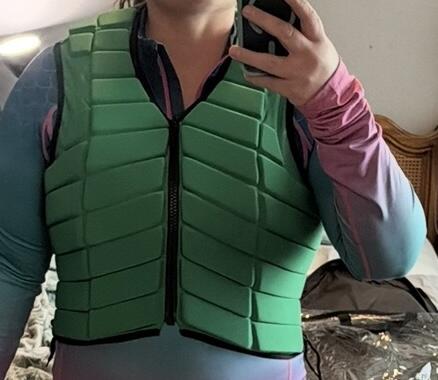
Equestrian safety vests protect the torso from impact and crush injuries during a fall. They come in two types: foam vests that absorb impact through compression, and air vests that inflate on separation from the saddle via a CO2 canister connected to a lanyard. Many competitive riders now use a hybrid approach --- a low-profile foam vest as a base layer with an air vest worn over it for maximum protection. Look for vests certified to BETA Level 3 (the highest standard for equestrian body protectors) or the equivalent ASTM standard.
Proper Footwear
Cowboy boots designed for riding serve a specific safety function: a defined heel that prevents the foot from sliding through the stirrup. Never ride in flat-soled shoes, hiking boots, or fashion boots without a proper heel. The heel should be at least 1 inch high and squared off at the back. The sole should be smooth or lightly textured --- aggressive lug soles can hang up on the stirrup tread and prevent a clean exit during a fall.
Protective gear checklist:
- ASTM/SEI-certified riding helmet (replace every 5 years or after any impact)
- BETA Level 3 safety vest (foam, air, or hybrid)
- Riding boots with a defined 1-inch heel and smooth sole
Tack Essentials: Stability and Communication
Tack is the interface between your hands and your horse, and between the saddle and the horse's body. Quality tack transmits cues clearly, stays secure under load, and does not cause discomfort that distracts your horse from the job.
Breast Collars
A breast collar prevents saddle slippage during the hard acceleration out of the alleyway and keeps the saddle from shifting backward when your horse collects for the turn. Barrel racing breast collars tend to be narrower and lighter than roping breast collars, often made from a single strap of leather or a shaped neoprene/nylon design with fleece lining at the chest. The breast collar should attach to the saddle's D-rings or rigging and sit across the horse's chest at a point that does not restrict breathing. It should be snug enough to do its job but not so tight that it pulls the saddle forward. Hilason offers breast collars in multiple styles that pair well with our barrel saddles.
Cinches
The cinch is one of the most underappreciated pieces of barrel racing equipment. It anchors the entire saddle system and endures massive dynamic loads during a run. Barrel racers typically use a single front cinch (no back cinch) to reduce weight and avoid interference with the horse's flank during hard collection. Mohair cord cinches are a gold standard --- they breathe, wick moisture, stretch slightly to conform to the horse, and grip without pinching. Neoprene cinches are another popular option for their easy cleaning and consistent tension, though they trap more heat. Fleece-lined cinches add padding for sensitive-skinned horses.
Width matters: a 4- to 5-inch cinch distributes pressure across more surface area than a 3-inch model and is generally more comfortable for the horse. Cinch length should place the rigging rings roughly halfway between the bottom of the saddle skirt and the horse's elbow when properly tightened. Find quality cinches in the Hilason tack collection.
Reins and Headstalls
Barrel racing reins need to provide quick, clear communication with minimal bulk. Split reins are the most common choice, giving the rider independent control of each side and allowing for one-handed neck reining during the run. They should be lightweight enough to not drag on the bit when you release pressure but substantial enough that you can feel the connection. A quality leather headstall with a browband or one-ear design keeps the bit positioned correctly without slipping. Browse Hilason headstalls and reins for options that deliver clear communication at speed.
When selecting reins, consider grip: smooth leather is traditional and comfortable, but some riders prefer a braided or rolled rein for extra texture when hands are sweaty. The length should allow your hand to move freely without dragging the rein through the bit rings unintentionally. Typical barrel racing split reins run 7 to 8 feet per side.
Horse Care Items: Keeping Your Partner in Peak Condition
Your horse is an athlete, and like any athlete, it needs maintenance to perform consistently and avoid injury.
Leg Protection
Barrel horses put tremendous stress on their legs, particularly the front limbs during the deceleration and turning phases and the hind limbs during the drive out of each barrel. Sports medicine boots or splint boots protect the cannon bones and tendons from impact --- either from the horse's own hooves striking the opposite leg during tight turns or from contact with barrels. Polo wraps, properly applied, offer a more customizable fit and coverage but require skill to wrap correctly. Poorly applied polo wraps can cause tendon damage, so boots are the safer choice for most riders.
Bell boots (overreach boots) protect the coronary band and heel bulbs from strikes by the hind hooves during the extended stride of a gallop. They are cheap insurance against a common barrel racing injury.
Cooling and Recovery
After a hard run, your horse's body temperature spikes and muscles accumulate metabolic waste. A cooling sheet or cooler blanket wicks moisture away while the horse walks out, preventing chills that can cause muscle cramping. Liniment applied to the legs and major muscle groups after a workout helps increase circulation and reduce soreness. A quality sweat scraper and a stack of clean towels should be part of every barrel racer's trailer kit.
Nutrition and Hydration
Barrel horses burn significant energy in short bursts. Electrolyte supplements replace minerals lost through sweat, and easily digestible energy sources like beet pulp or rice bran can top off glycogen stores between runs at multi-day events. Always provide clean, fresh water. Horses that refuse to drink at shows may accept water flavored with a small amount of apple juice or a commercial equine hydration product in a familiar bucket from home.
Rider Comfort: Gear That Keeps You Focused
When you are uncomfortable, your riding suffers. Distracted riders make late cues, tense up, and pass that tension to the horse. Comfort gear is performance gear.
Riding Gloves
Gloves improve grip on the reins, prevent blisters during long practice sessions or multi-run jackpots, and protect your hands from rope burn if you need to dally or grab your horn suddenly. Look for deerskin or synthetic gloves with reinforced palms and a snug fit that does not bunch between your fingers. In cold weather, insulated riding gloves maintain dexterity while keeping your hands warm enough to feel the reins.
Appropriate Riding Apparel
Jeans designed for riding --- with a higher rise in the back, a gusseted crotch, and no thick inseams --- prevent chafing and let you move freely in the saddle. Performance riding shirts in moisture-wicking fabrics keep you cooler and drier than cotton, which soaks up sweat and gets heavy and cold. A well-fitted western vest or light jacket that does not flap in the wind completes the competition look without adding noise or movement that could spook a sensitive horse.
The Right Saddle Pad
Your saddle pad is a shock absorber, a moisture manager, and a fit optimizer all in one. Barrel racers gravitate toward contoured pads that follow the shape of the horse's back and provide wither relief without bunching. Felt pads compress predictably and dissipate heat well. Closed-cell foam pads offer consistent thickness and easy cleaning. Fleece-bottom pads with a wear leather top combine traditional looks with modern materials. Whatever you choose, keep it clean --- a dirty, salt-caked pad against your horse's back causes irritation that can lead to sores. Hilason carries a selection of saddle pads designed to work with our western and barrel saddles.
Maintenance Gear: Protecting Your Investment
Barrel racing equipment represents a significant financial investment. A basic maintenance kit pays for itself many times over by extending the life of your tack.
- Leather cleaner and conditioner: Clean sweat and dirt after every ride; condition monthly or more often in dry climates. Glycerin saddle soap for cleaning, followed by a quality leather conditioner that does not leave a greasy residue.
- Metal polish: Keep bit rings, conchos, and hardware free of rust and tarnish. A small tube of metal polish and a soft cloth are all you need.
- Stitch checker: Inspect all stitching on your saddle, breast collar, and headstall monthly. Loose or broken stitches in critical areas like rigging attachments or stirrup leathers are dangerous and need professional repair immediately.
- Bit cleaning kit: Your horse's bit accumulates dried saliva, feed particles, and bacteria. A small brush and a bucket of water after every ride keeps the bit clean and your horse's mouth healthy.
- Saddle cover and stand: Store your saddle on a proper stand with a breathable cover that keeps dust off while allowing airflow. Vinyl saddle covers trap moisture and promote mold.
Why Hilason: Gear Built by Riders, for Riders
At Hilason, we understand that barrel racing gear is not an accessory --- it is essential equipment that affects your safety, your horse's comfort, and your performance in the arena. Every item we sell, from cinches and breast collars to saddle pads and reins, is selected because it meets the standards we would trust on our own horses. Our tack collection is built to complement our saddles, creating a system where every component works together seamlessly.
We have helped more than 40,000 riders equip themselves since 1995, and that experience means we can answer your questions --- not with a script, but with real knowledge. Need to know which cinch length matches your horse's girth measurement? Which breast collar style works best with a specific saddle model? Our customer support team can help. Explore the full Hilason tack and accessories collection and build your complete barrel racing kit.
Building Your Barrel Racing Kit: A Summary
Every barrel racer's gear list will look slightly different depending on their horse, their competition level, and their budget. But the categories are universal:
- Protective gear: helmet, vest, proper boots
- Core tack: breast collar, cinch, reins, headstall, saddle pad
- Horse care: leg protection, cooling equipment, nutrition support
- Rider comfort: gloves, appropriate apparel
- Maintenance: cleaning and inspection supplies
Start with safety. Add the tack you need to ride effectively. Build out your horse care and maintenance kits over time. Upgrade items as they wear out or as your needs change. The goal is not to buy everything at once --- it is to build a system of gear that keeps you safe, keeps your horse comfortable, and removes equipment variables from the performance equation.
Ready to gear up? Shop the Hilason Barrel Racing Collection for saddles, tack, and accessories --- quality equipment with direct-to-consumer pricing, free shipping on orders over $125, and the backing of a company that has served riders since 1995.