Youth & Kids Western Saddles — Pony and Junior Tree Saddles
22 productsKids western tree saddles sized for youth riders and miniature ponies — hand-tooled leather builds with proportioned seats for confident early riding.


Youth & Kids Western Saddles Buyer’s Guide
Western Saddles for Young Riders — Youth, Pony, and Trail Pleasure Builds
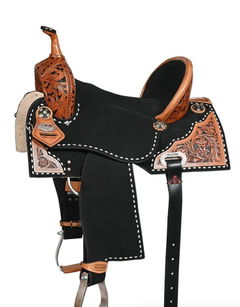
- Proportioned Seat & Fork: Scaled for smaller riders so young legs sit correctly without strain or sliding — critical for building early riding confidence.
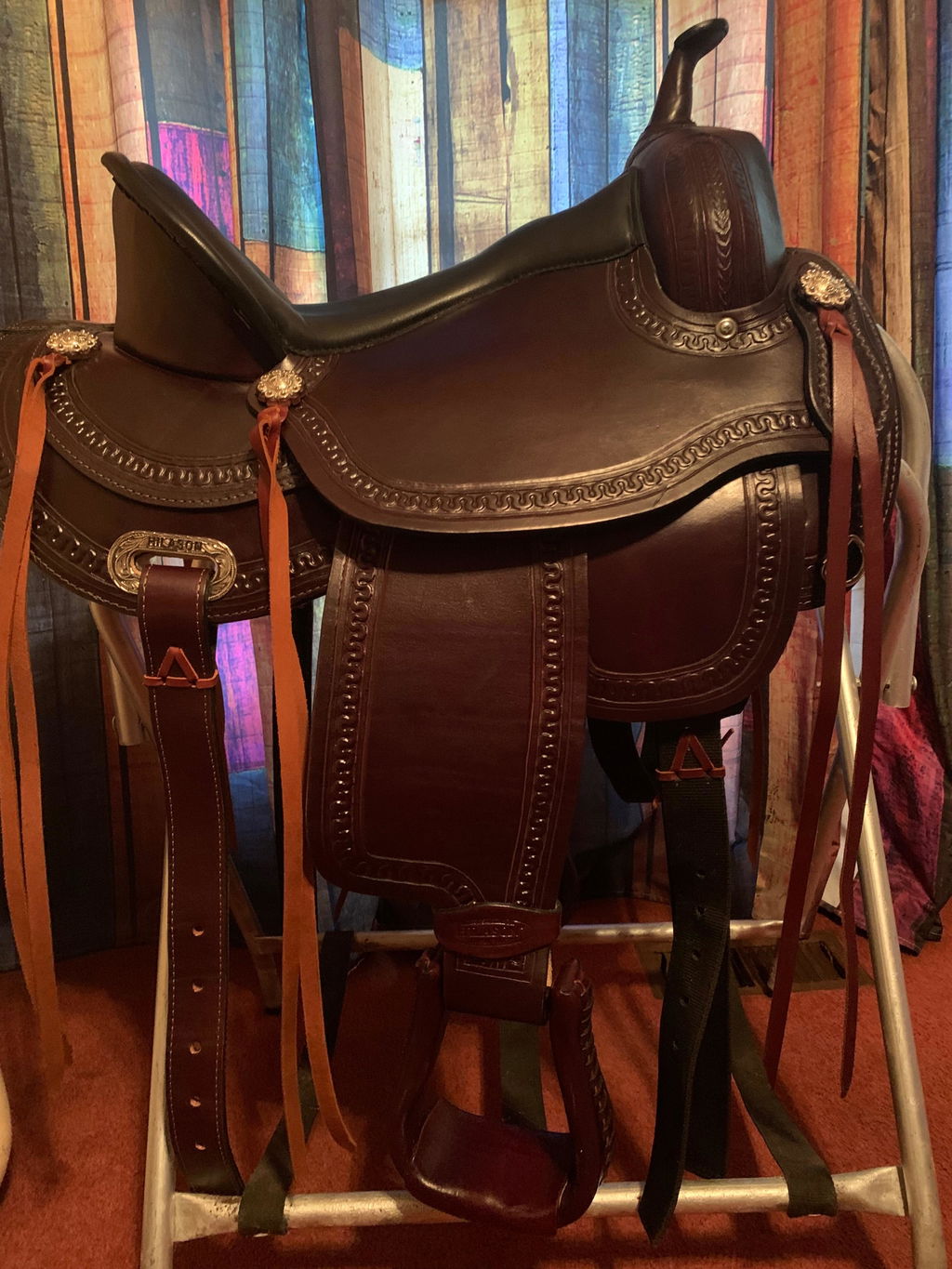
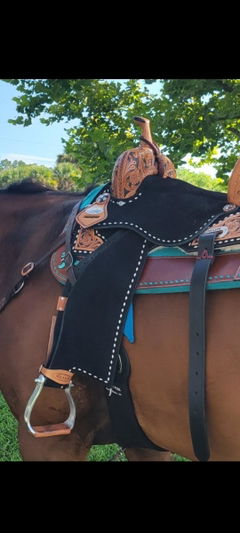
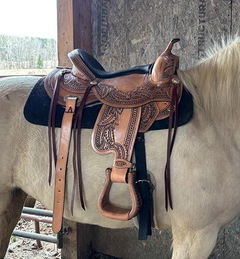
- Hand-Tooled Leather Construction: Floral and rose hand-tooled fenders and skirts crafted from genuine leather — each saddle built one at a time for consistent quality.
- Suede-Padded Seat: Soft, grippy seat material visible across the collection helps young riders stay centered during walk, trot, and trail work.
- Silver Hardware & Dee Rings: Stainless-finish silver hardware throughout adds a classic western show look without added weight for small horses.
- Miniature Pony & Youth Sizes: Seat options spanning from pony-scale to young adult fits for trail, pleasure, and show ring use.
How to Choose the Right Kids Western Tree Saddle
Seat Size for the Child
For western saddles, the seat measurement reflects the rider's fit, not the horse. As a general guide, measure from the back of the child's hip to the back of their knee. Most young children start on pony saddles in the 7"–10" range, while older youth riders typically fit 12"–14" seats. When in doubt, size up — a slightly larger seat is easier to grow into than one too small.
Leather vs. Synthetic
Leather saddles — including full grain harness leather builds in this collection — are more durable over the long term and develop a natural grip as they break in. Synthetic options are lighter, easier to clean after muddy trail rides, and a practical choice for first-time riders or horses in wet climates. Both perform reliably for trail and pleasure use.
Horse Fit & Gullet Width
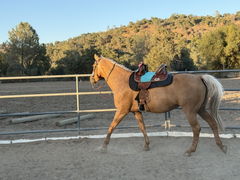
Children's saddles are most often paired with quarter horses, ponies, and compact trail horses. Always verify gullet width before purchasing — the saddle must clear the withers with two to three fingers of clearance when unweighted. A saddle that fits the child but pinches the horse will cause resistance and discomfort on every ride.
Common Mistakes When Buying a Youth Saddle
Buying a saddle that is too large is the most common error — an oversized seat prevents correct leg position and reduces security for a young rider. Parents also frequently overlook the horse's fit entirely, focusing only on the child's comfort. Finally, skipping a saddle pad matched to the saddle's size can cause the pad to bunch under the skirt and create pressure points on the horse's back.
Leather vs. Synthetic Youth Western Saddles — Which Is Right for Your Child?
Genuine Leather Youth Saddles
Genuine leather saddles — including hand-tooled floral builds from Comfytack visible in this collection — offer long-term durability and a classic western aesthetic ideal for trail pleasure and show ring use. Full grain harness leather skirts and fenders hold their shape ride after ride. Best for: riders who ride regularly and families investing in a saddle that will last through multiple growth stages.
Synthetic Youth Saddles
Synthetic western saddles — like the Hilason synthetic pleasure builds in this collection — are lighter, lower-maintenance, and easy to wipe clean after trail rides. They are a practical entry point for children just beginning lessons. Best for: first-time riders, lesson programs, wet-weather climates, or families looking for high-performance at accessible pricing before committing to leather.
Kids Western Tree Saddle Questions Answered
Complete your young rider's setup with a properly fitted saddle pad, a cinch or girth sized for their horse, and a youth headstall to match. Browse our full range of western saddles or explore western tack sets built around your saddle choice.