Boot & Shoe Care
Boot and shoe care products protect leather boots, western saddles, and tack from drying, cracking, and everyday wear.
Boot & Shoe Care Buyer’s Guide
Leather Conditioners, Boot Cleaners & Protectors for Western Riders and Everyday Use
- Prevents cracking: Regular conditioning keeps full-grain leather supple and resistant to drying — critical for western boots and saddle fenders exposed to sun and sweat.
- Extends tack life: Conditioning headstalls, breast collars, and cinch straps between rides reduces stitching wear and surface brittleness over time.
- Protects against moisture: Waterproofing treatments seal out rain and arena moisture without darkening leather or leaving a greasy residue.
- Restores appearance: Cleaners lift arena dirt, sweat salt, and mold from smooth and tooled leather surfaces without stripping natural oils.
How to Choose the Right Leather Care Product for Boots and Tack
Cleaner vs. Conditioner
Cleaners remove surface dirt, sweat, and salt buildup before conditioning — skipping this step traps grime under conditioner and accelerates wear. Always clean first, condition second. Use a cleaner formulated for smooth leather on boots and a saddle-safe cleaner on tooled or carved leather to avoid softening raised detail.
Conditioner for Tack vs. Boots
Saddle and tack conditioners are designed for thicker harness leather and high-flex areas like fenders and billets. Boot conditioners are optimized for finished, smoother leather. Using a heavy tack conditioner on dress boots can over-soften the toe box and affect shape retention — match the product to the leather type.
Waterproofing and Protection
If you ride in wet pastures, winter mud, or early morning dew, a waterproofing sealant applied over a conditioned surface adds a barrier that repels moisture without blocking the leather from breathing. Reapply after every deep cleaning or after prolonged wet exposure for reliable protection.
Common Mistakes When Caring for Leather Boots and Tack
Conditioning without cleaning first seals in sweat and salt that continue to degrade stitching. Over-conditioning softens structured leather — once-a-week treatment is usually enough for regular riders. Using household oils like vegetable or olive oil can darken leather permanently and attract mold.
Caring for the Leather in Your Western Tack System
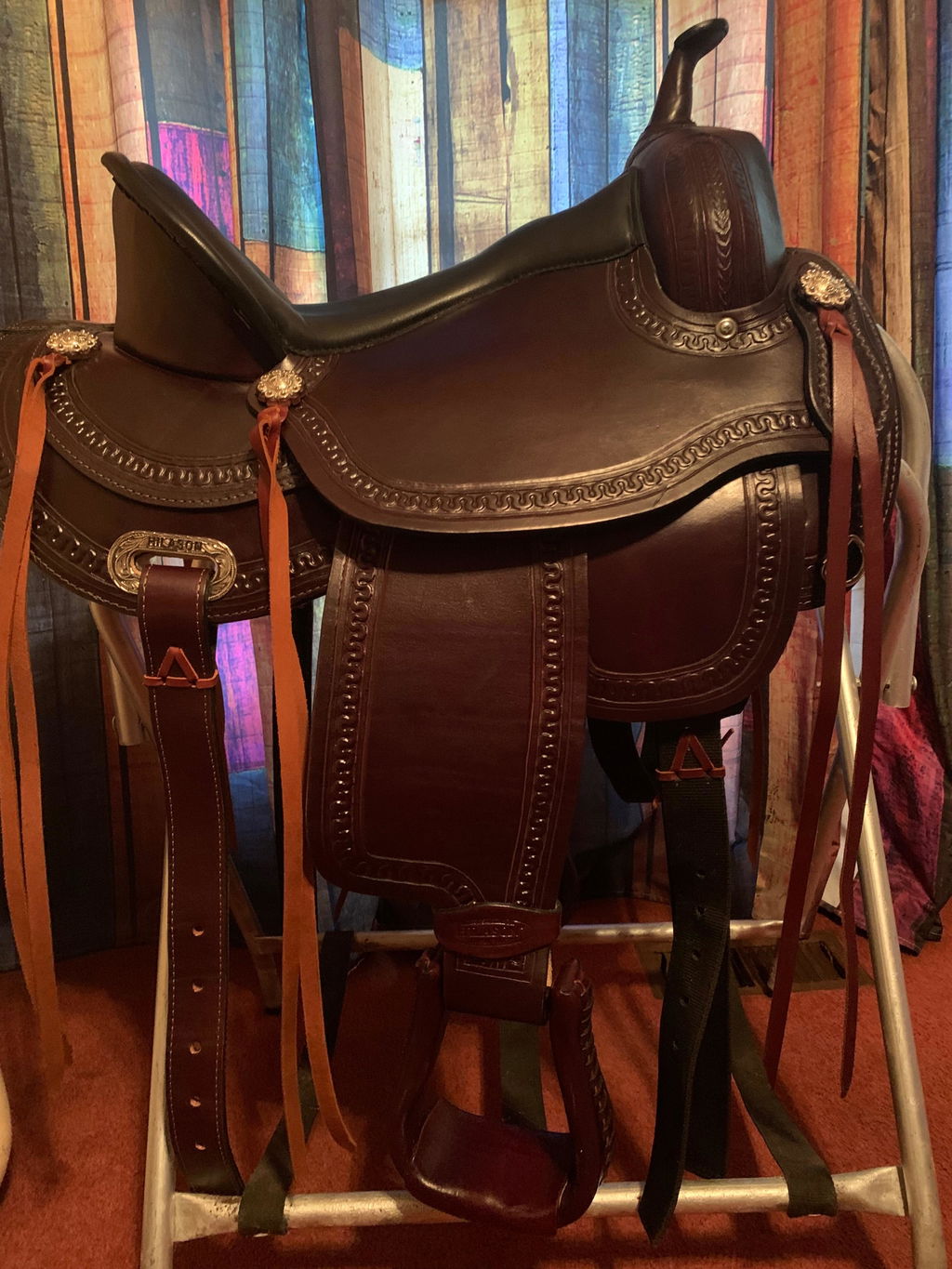
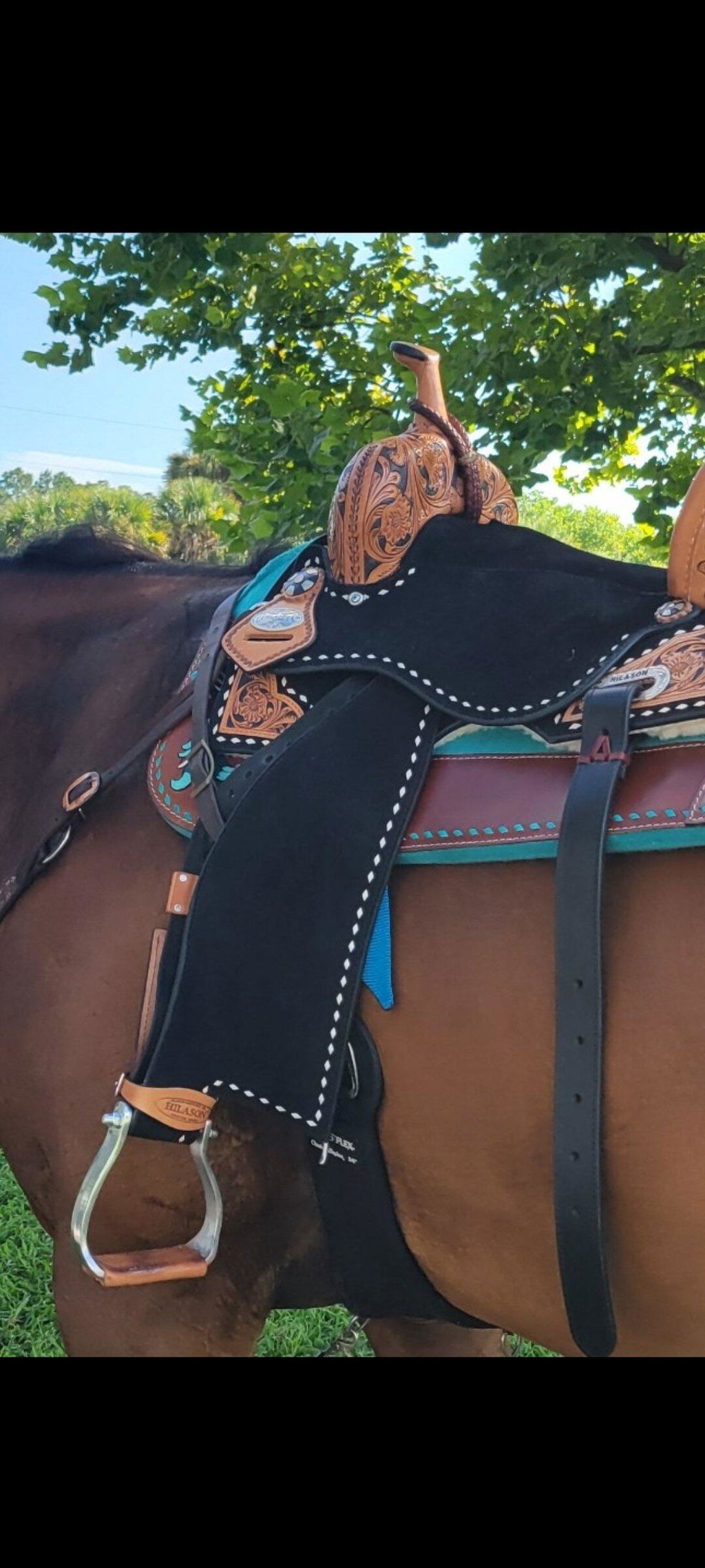
Western tack — saddles, headstalls, breast collars, and reins — takes more punishment than most riders realize. Sweat, arena dirt, UV exposure, and repeated flexing all dry out and stress the leather between rides. A consistent care routine with a cleaner and a conditioner applied after every few uses keeps high-flex points like fender creases and headstall holes from cracking prematurely. Tooled leather benefits from a conditioning oil worked gently into carved areas to prevent the raised detail from flaking. Pair your care routine with proper storage away from direct sunlight and heat for the longest possible tack life.
Boot & Shoe Care Questions Answered
Complete your western gear setup — explore our Western Tack, Headstalls, Breast Collars, and Saddle Pads collections.